
Welcome to the electrifying world of esports competitions, where pixels fly, adrenaline runs high, and gamers transform into digital gladiators! Imagine a place where skill meets strategy in a whirlwind of virtual chaos, and the only thing louder than the game sounds is the roar of the crowd. If you think competitive gaming is just a bunch of folks glued to their screens, think again—it’s a cultural phenomenon that’s taken the world by storm, generating more buzz than a beehive on a sugar rush!
From the humble beginnings of backyard LAN parties to the dazzling arenas filled with roaring fans, esports has evolved into a multi-billion dollar industry. With a vast array of genres from first-person shooters to battle royales, esports competitions are governed by an intricate web of organizations and leagues that ensure every match is as thrilling as the last. So, buckle up, because we’re diving deep into the vibrant universe of esports competitions!
Overview of Esports Competitions
Esports competitions have gone from basement LAN parties to colossal arenas filled with roaring fans, transforming gaming into a global spectacle. Over the years, the evolution of esports has been nothing short of phenomenal, showcasing the passion, skill, and strategic brilliance of gamers from all walks of life. This vibrant world of competitive gaming has forged its own identity, complete with its heroes, villains, and nail-biting moments that could give Shakespeare a run for his money.The history of esports dates back to the early ’70s with the infamous “Spacewar!” competition, but it gained significant traction in the late ’90s with games like “Quake” and “StarCraft.” As the internet became more accessible, tournaments grew in size and scope, paving the way for today’s high-stakes events.
Major genres such as first-person shooters (FPS), multiplayer online battle arenas (MOBAs), real-time strategy (RTS), and sports simulations have taken center stage, captivating millions of fans across the globe.
Major Genres and Games Featured in Esports
The esports landscape is as diverse as a buffet at a gaming convention, offering something for everyone. Below are the primary genres and their iconic titles that have etched their names in the annals of esports history:
- First-Person Shooters (FPS): These games emphasize quick reflexes and strategic teamwork. Notable titles include:
- “Counter-Strike: Global Offensive”
- “Overwatch”
- “Call of Duty”
- Multiplayer Online Battle Arenas (MOBAs): These games focus on player strategy and teamwork, with a goal to destroy the opponent’s base. Dominant titles include:
- “League of Legends”
- “Dota 2”
- “Smite”
- Real-Time Strategy (RTS): In these games, players must build and manage resources while engaging in warfare. Classic games include:
- “StarCraft II”
- “Warcraft III”
- Sports Simulations: These games replicate real-world sports with a competitive twist. Popular choices are:
- “FIFA”
- “NBA 2K”
- “Rocket League.”
Primary Organizations and Leagues Governing Esports Events
The structure of esports is supported by a variety of organizations and leagues that maintain the competitive integrity of the games. These entities provide a framework for tournaments and foster communities where players can thrive. Noteworthy organizations include:
- ESPN Esports: A major player in broadcasting esports events, helping to bring competitive gaming into the mainstream sports conversation.
- Electronic Sports League (ESL): One of the oldest and largest esports organizations, known for organizing high-profile tournaments across various games.
- Major League Gaming (MLG): A pioneer in esports, MLG has been instrumental in popularizing competitive gaming and has since merged with Activision Blizzard.
- League of Legends Championship Series (LCS): A prominent league dedicated to “League of Legends,” showcasing top teams in North America.
- DreamHack: A series of festivals that celebrate gaming and esports, featuring competitions, live music, and an array of gaming experiences.
Esports is not just a game; it’s a way of life for millions, redefining the boundaries of competition and entertainment.
Structure and Format of Esports Competitions
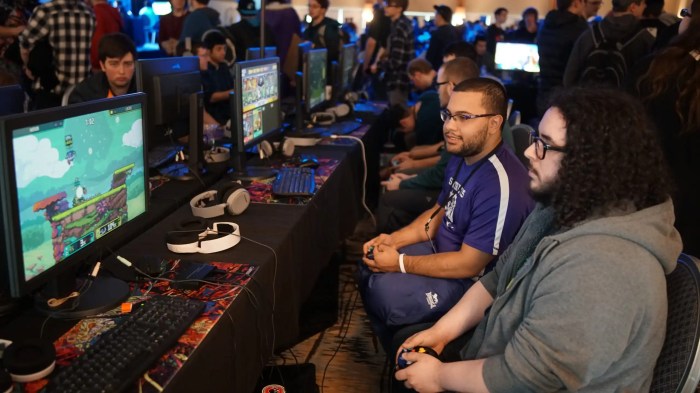
Esports competitions are like a high-stakes dance-off, but instead of shuffling your feet, you’re clicking your mouse at lightning speed. The structure and format of these tournaments can make or break a player’s dreams faster than a well-aimed headshot. Understanding how these competitions are organized not only helps fans navigate the action but also allows aspiring players to strategize their way to the top.Various tournament formats create a thrilling rollercoaster of emotions, as players battle their way to glory.
The most common formats include single-elimination and double-elimination. In a single-elimination format, players or teams are given a single chance—lose, and you’re out faster than your mom can call you for dinner! On the flip side, double-elimination gives competitors a second chance to redeem themselves, allowing a loss without immediate disqualification, thus prolonging the drama and tension, like a well-timed cliffhanger in your favorite series.
Tournament Formats
The tournament formats used in esports competitions contribute significantly to the excitement and unpredictability of events. Here are some of the most popular structures:
- Single-Elimination: A straightforward battle where one loss sends you packing. Think of it as a one-way ticket to Loserville!
- Double-Elimination: Offers a safety net; players have a chance to fight back even after tasting defeat. It’s like falling off your bike but getting right back on to show off your skills!
- Round Robin: Every team plays against each other. The one with the best overall record emerges victorious. It’s akin to an extended family gathering where everyone gets a chance to show off their hidden talents.
- Swiss System: A format where players compete in a predetermined number of rounds, with matchups based on performance. It’s like a chess game where you have to outsmart your opponents, even if they happen to be wearing tutus.
- League Play: Teams compete in a series of matches over a season, accumulating points to determine standings. It’s like the Olympics, but with way more snacks and less need for actual athleticism.
Prize Pool Comparison
The monetary stakes of esports competitions can be jaw-dropping! The prize pools not only attract top-tier talent but also establish a culture of competition that fuels the fire of esports. Below is a comparison of prize pools from several major tournaments that are so big they put your college tuition to shame:
| Tournament | Game | Prize Pool (USD) |
|---|---|---|
| The International | Dota 2 | $40,018,195 |
| League of Legends World Championship | League of Legends | $6,450,000 |
| Fortnite World Cup | Fortnite | $30,000,000 |
| CS:GO Major Championships | Counter-Strike: Global Offensive | $2,000,000 |
| Overwatch League Grand Finals | Overwatch | $1,500,000 |
Roles in Esports Competitions
In the world of esports, every player has a unique role that contributes to the spectacle we all love. Understanding these roles is crucial to appreciating the full experience of a tournament.Players are the stars of the show, wielding keyboards like swords, and executing strategies with the precision of a concert pianist. Each player often specializes in specific roles within their games, such as tanks, damage dealers, or support characters, showcasing their unique skills and teamwork.
Teams, on the other hand, function like a well-oiled machine, where synergy and communication can turn the tide of battle faster than a surprise birthday party can ruin your diet!Commentators, or casters as they’re affectionately known, are the cherry on top of this esports sundae. They bring the action to life with their infectious enthusiasm and sharp wit. They analyze plays, predict outcomes, and sometimes even crack jokes that are better than the ones you tell at the family barbecue! Their commentary is essential for keeping fans engaged, making every match feel like the Super Bowl of video gaming.
“In esports, every second counts. It’s not just a game; it’s an epic saga played out in pixels!”
Impact and Future of Esports Competitions
Esports has taken the world by storm, like a rogue controller in the hands of an overzealous gamer. Once viewed as just a hobby for basement dwellers, esports now stands tall as a cultural titan, flexing its muscles against traditional sports and entertainment. The future is bright, and possibly pixelated, as we explore the seismic shifts and thrilling prospects that esports brings to the table.
Cultural Impact on Traditional Sports and Entertainment
Esports has woven itself into the fabric of modern culture, rivaling traditional sports like a squirrel in a park full of sleeping dogs. From stadiums filled with cheering fans to the emergence of esports athletes who enjoy celebrity status, the cultural impact is undeniable. Major sports leagues are now scrambling to keep up, often adopting esports leagues within their organizations.
Consider the NFL’s Madden Championship Series or the NBA 2K League; they are not just games but gateways to embracing the digital landscape.Furthermore, entertainment has found a new playground. Streaming platforms like Twitch and YouTube Gaming have birthed a new breed of entertainers, and they don’t even need to leave their rooms to do it! With millions of views and fans tuning in, the lines between spectator sports and digital competitions blur like the pixels on a low-resolution screen.
Not to mention, events like The International, with prize pools reaching over $40 million, have created a new era where digital competitions earn as much respect as the Super Bowl or World Series.
Growth of Viewership and Sponsorship in Esports
The viewership of esports has exploded faster than a noob’s head during a grenade throw in a first-person shooter. In 2021, it was estimated that the global esports audience reached around 474 million people, with projections suggesting an increase to over 640 million by 2025. This surge is not just a blip on the radar; it’s a seismic shift in how the world consumes entertainment.
The influx of sponsorship deals has also transformed esports into a lucrative arena. Companies like Intel, Red Bull, and Coca-Cola have jumped on the bandwagon, pouring millions into teams, tournaments, and events. These sponsorships are vital for sustaining the ecosystem, allowing teams to invest in better players and more significant events—essentially turning the competition into a cash cow. As big brands recognize the potential, more are likely to follow suit, further cementing esports as a staple of modern advertising.
Potential Future Trends in Esports Competitions
The future of esports is poised to be as thrilling as a last-minute clutch in a championship match. Advances in technology are set to revolutionize how competitions are structured and experienced. Augmented Reality (AR) and Virtual Reality (VR) are two key players in this evolution. Imagine watching a live esports match with VR headsets, where fans can feel like they are in the arena, dodging virtual projectiles while sipping their energy drinks! Moreover, Artificial Intelligence (AI) is slowly becoming a coach’s best friend.
AI can analyze game strategies, provide real-time feedback, and help players refine their skills. This means future competitions might see players trained by algorithms that can crunch numbers faster than a calculator on caffeine! Lastly, the integration of blockchain technology could change the way prizes and sponsorships are managed, ensuring transparency and security like never before. Imagine winning a game and having your prize money automatically transferred to your crypto wallet—no middlemen, no waiting!As esports continues to evolve, one thing remains certain: it’s not just a game; it’s a revolution, and the world better strap in for the ride!
Summary

As we wrap up our exhilarating journey through the realm of esports competitions, it’s clear that this isn’t just a passing fad—it’s a full-blown revolution! With a future that promises even more thrilling innovations and an ever-expanding audience, the only limit is our imagination. Whether you’re a die-hard fan or a curious newcomer, there’s never been a better time to jump into the action.
So grab your controller, and let the games begin!
FAQ Explained
What are esports competitions?
Esports competitions are organized multiplayer video game tournaments where professional players compete against each other for prizes, glory, and the title of champion!
How can I participate in esports competitions?
To participate, you usually need to join a team or compete solo in qualifiers; check specific games for more details on entry requirements!
What games are featured in esports competitions?
Popular games include titles like League of Legends, Dota 2, Counter-Strike: Global Offensive, and Fortnite, among many others!
Are esports competitions just for pro gamers?
Not at all! While there are professional leagues, many casual tournaments welcome players of all skill levels!
What is the future of esports competitions?
The future is bright! With advancements in technology, increased viewership, and sponsorships, esports is set to grow even further!