
Welcome to the thrilling world of esports standings, where pixels collide and teams battle for glory in a digital coliseum! Just like trying to understand your pet goldfish’s emotions, keeping track of which team is on top can be a real challenge. But fear not! We’re here to untangle the intricate web of tournaments, top-tier teams, and the science of standings that will have you shouting “Penta Kill!” in no time.
From the cream of the crop in major tournaments to the secret sauce that makes or breaks these rankings, we’ll dive deep into what it takes to rise through the ranks faster than you can say “level up.” Strap in as we explore player performances, sponsorship wizardry, and how the latest game patches can turn the tide in an instant!
Current Esports Standings Overview
Esports is electrifying and ever-evolving, with teams vying for supremacy across multiple titles. As we scan the vibrant landscape of competitive gaming, we find an assortment of breathtaking plays and nail-biting finishes. The current standings are not just numbers; they are a testament to the grit, strategy, and sometimes a sprinkle of luck that these teams embody. Grab your energy drink and let’s dive into the data!Standings in esports leagues are determined not only by victory counts but also by a complex web of criteria including match wins, game ratios, and sometimes, the secret sauce of player skill.
Teams accumulate points based on their performance in tournaments, with some leagues employing a tiered ranking system. This dynamic ensures that the top teams stand out like a pixelated superhero against a backdrop of villainous lag and rage quits.
Top Teams and Their Recent Performances
The competitive arena is as alive as a LAN party at midnight, with some teams currently dominating their respective titles. It’s essential to look at the recent performances that have brought them glory—or at least a hefty bag of virtual chips.
- Loud in Valorant: This Brazilian powerhouse has been electrifying the stage with jaw-dropping plays, claiming victory in their last major tournament by a staggering margin. Their synergy is as smooth as butter on a hot pan, and opposing teams are starting to sweat bullets.
- T1 in League of Legends: T1 has showcased incredible resilience, bouncing back from early setbacks to clinch the top spot in the LCK standings. Their tactical prowess is so sharp it could cut through steel.
- FaZe Clan in CS:GO: Known for their sniper skills, FaZe has been consistent, snatching victory in recent tournaments with headshots that would make even the greatest snipers weep with envy.
- OG in Dota 2: The legends have returned to form, showing that they still have the fire to compete at the highest level. Their innovative strategies are reminiscent of a magician pulling rabbits out of hats—except the rabbits are creeps, and the hats are well-calculated risks.
Each of these teams brings their unique flavor to the game, proving once again that esports is not just about hardware and reflexes, but also about creativity and teamwork.
“In esports, every match is a story waiting to be told, full of epic comebacks and unexpected plot twists.”
The criteria for determining standings can vary significantly between titles, but they generally revolve around match wins, head-to-head records, and performance metrics. In many leagues, a win can be sweeter than the finest chocolate, leading to a coveted spot at the top of the leaderboard. For example, in the Overwatch League, teams earn points based on the number of matches won, and a victory can also boost their overall standings, directly influencing their chances in the playoffs.
Similarly, the ESL Pro League for CS:GO utilizes a points system that rewards consistent performance across its seasons, making every round and every frag count!Let’s raise our virtual controllers to the champions, the underdogs, and even the teams that just can’t seem to catch a break. This is the essence of esports—where anything can happen, and often does!
Key Factors Influencing Esports Standings
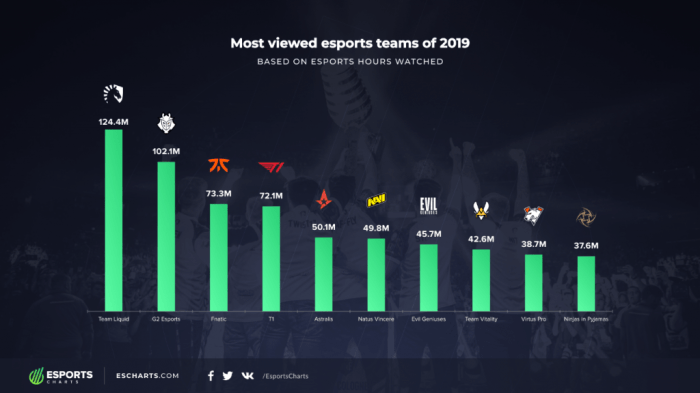
In the whirlwind world of esports, where pixels meet adrenaline, the standings can shift faster than a player can say “clutch!” Understanding the key factors that influence these rankings is crucial for fans, analysts, and aspiring teams. It’s a complex dance of player performance, financial backers, and the ever-evolving game landscapes that keep everyone on their toes—literally!
Impact of Player Performance on Team Standings
When it comes to esports, player performance is the heartbeat of a team’s success. Individual players can single-handedly turn the tide of a match with their skills, strategies, and sometimes, sheer luck. The best players often shine like diamonds against the backdrop of their competitors, and their contributions can make or break a team’s standing in any tournament. To appreciate the weight of player performance, consider the following elements:
- Skill Level: A high skill level in mechanics, strategy, and teamwork can elevate a team’s performance. Just look at how players like Faker or s1mple have defined their teams’ destinies!
- Consistency: A player who performs reliably under pressure can be a game-changer, avoiding those dreaded “off days” that lead to disappointing results.
- Adaptability: The ability to adjust to new game patches or strategies can be the difference between glory and defeat. A player who embraces change can keep their team ahead of the curve.
“One player can make a great team, but a great player can change the game.”
Role of Sponsorships and Funding in Enhancing Team Rankings
In the realm of esports, having deep pockets often translates into higher standings. Sponsorship deals and financial backing can provide teams with the resources they need to improve their performance significantly. Whether it’s hiring top-tier coaches, investing in state-of-the-art training facilities, or simply covering travel expenses, a healthy budget can make all the difference.The following factors highlight the significance of sponsorships in competitive gaming:
- Access to Resources: Financial support often leads to better training setups, proprietary analytics tools, and access to expert coaching staff. Teams with substantial funding can sharpen their skills and strategies more effectively.
- Brand Visibility: Well-funded teams can invest in marketing and branding, attracting more fans and creating a loyal following that can boost morale and performance.
- Player Retention: With lucrative sponsorship deals, teams can secure their top players, ensuring a consistent lineup that enhances competitiveness and stability.
“Sponsorship isn’t just about cash; it’s about crafting a legacy on the digital battlefield.”
Impact of Game Patches and Updates on Team Strategies and Rankings
In esports, the only constant is change, especially when it comes to game patches and updates. These tweaks can shift the meta, introducing new heroes, maps, or balance changes that either empower or nerf entire strategies overnight. Teams must adapt quickly, or they risk falling behind their competition.Consider the ways in which game updates can influence team strategies:
- Meta Shifts: A patch can redefine the “best” character or strategy, forcing teams to rethink their approach completely. Remember when the introduction of a new champion in League of Legends turned the professional scene on its head?
- Strategic Flexibility: Teams that can pivot their strategies in response to updates often find themselves at the forefront of competition. The ability to experiment with new strategies during practice can lead to innovative plays.
- Learning Curve: New updates require teams to invest time into learning new mechanics or maps, which can initially set them back but ultimately provide an edge in the long run.
“Every patch is a new battlefield; adapt or get left in the dust!”
Historical Trends in Esports Standings

The evolution of esports standings over the past decade reads like a thrilling novel filled with plot twists, surprise villains, and occasionally, a heroic comeback. As games have grown in popularity, the competition has heated up, transforming once humble rivalries into legendary battles for supremacy. Comparing veteran teams with emerging squads reveals a fascinating tapestry of talent and determination, while notable upsets have shaken the very foundations of established rankings, proving that anything can happen when pixels collide.
Evolution of Esports Standings Over the Past Decade
The progression of esports standings has been nothing short of a rollercoaster ride, showcasing the rapid rise and fall of teams across various popular games. Here’s a look at key milestones and shifts in the standings:
- 2013-2015: The Dawn of the Giants
-Teams like SK Telecom T1 and Fnatic dominated the early years, establishing themselves as the titans of their respective games with a slew of championships. - 2016-2017: The Rise of the Underdogs
-The emergence of teams like Cloud9 and Team Dignitas disrupted the status quo, showcasing that hard work and strategy can trump even the most seasoned veterans. - 2018-2020: The Era of Consistency
-Teams that previously struggled began to solidify their standings, creating a more competitive landscape. G2 Esports and Team Secret became household names, with consistent performances elevating them to the top. - 2021-Present: The New Wave
-New teams and rosters, such as EDward Gaming and Team Spirit, have burst onto the scene, proving that fresh talent continues to shake up the established elite.
Comparison of Veteran Teams with Emerging Teams
In the current esports climate, established teams face intense competition from up-and-coming squads eager to etch their names into the annals of history. Veteran teams bring a legacy of experience, strategy, and often, a fan base that rivals that of pop stars. In contrast, emerging teams operate with a youthful exuberance and the hunger to redefine the game. The following points highlight this dynamic:
- Experience vs. Innovation
-Veteran teams leverage years of competitive knowledge, while emerging teams often introduce innovative strategies that can catch opponents off guard. - Fan Support and Expectations
-Established names have a pressure to perform, with legions of fans expecting nothing less than victory. In contrast, new teams often enjoy the freedom of lower expectations, allowing for creative gameplay. - Adaptability
-Veteran teams can struggle to pivot away from tried-and-true tactics, while emerging teams are often more willing to experiment with new strategies, leading to surprising outcomes.
Notable Upsets in Esports History
Upsets in esports are akin to plot twists in a movie – they leave you gasping and questioning everything you thought you knew. These events not only alter standings but also change the narrative of the games themselves. Some historic upsets that left audiences reeling include:
“In esports, the underdog story is always just a match away.”
- Fnatic vs. EDward Gaming (2018)
-At the Worlds 2018, Fnatic took down the heavily favored EDG, showcasing that anything can happen in knockout stages. - Saeed “Sacy” Mohammed’s Valorant Triumph (2021)
-The Brazilian team, LOUD, shocked the world by defeating the reigning champions, demonstrating the unpredictable nature of competition. - Team Spirit vs. PSG.LGD (2021)
-In the Dota 2 International, Team Spirit, the dark horse, toppled the giants, PSG.LGD, in an epic upset that sent shockwaves through the community.
Final Wrap-Up
So, there you have it: the dizzying dance of esports standings, where one day you’re a champion and the next you’re wondering how you ended up in the basement of the leaderboard. Whether you’re a casual fan or a die-hard enthusiast, understanding these dynamics not only enhances your viewing experience but also adds a sprinkle of strategy to your gaming knowledge.
Now go forth, armed with all this juicy information, and may your favorite team conquer the competition like a boss!
Popular Questions
What are esports standings?
Esports standings are rankings that reflect the performance of teams in various esports competitions, providing a snapshot of who is winning and losing.
How are esports standings determined?
Standings are determined by various factors, including match wins, losses, tournament points, and sometimes even head-to-head results.
Why do team sponsors matter for standings?
Sponsors provide crucial funding that can enhance team resources, training, and overall performance, which can positively influence standings.
How can game updates affect standings?
Game patches can change gameplay mechanics, allowing teams to adapt their strategies, which might impact their performance and, consequently, their standings.
Can a single match affect a team’s standing significantly?
Absolutely! In tightly contested leagues, a single match can shift a team’s position dramatically, especially if it’s against a direct rival.