
Welcome to the wild and wacky world of esports amateur tournaments, where the competition is fierce, the players are passionate, and the snacks are plentiful! Think of it as the neighborhood BBQ of gaming – everyone’s invited, and the only thing you need to bring is your A-game (and maybe some chips). These tournaments are not just about bragging rights; they’re the breeding ground for the next generation of esports heroes!
In the realm of esports, amateur tournaments stand out like a bright, shiny trophy. Unlike their professional counterparts, which are often surrounded by high-stakes drama and lucrative sponsorships, amateur tournaments are about fun, community, and honing skills. From classic titles like League of Legends to the latest hit games, amateurs are getting their shot at glory and making connections that could last a lifetime.
Plus, with the surge in popularity, these tournaments are sprouting up like weeds in a gamer’s basement!
Understanding Esports Amateur Tournaments
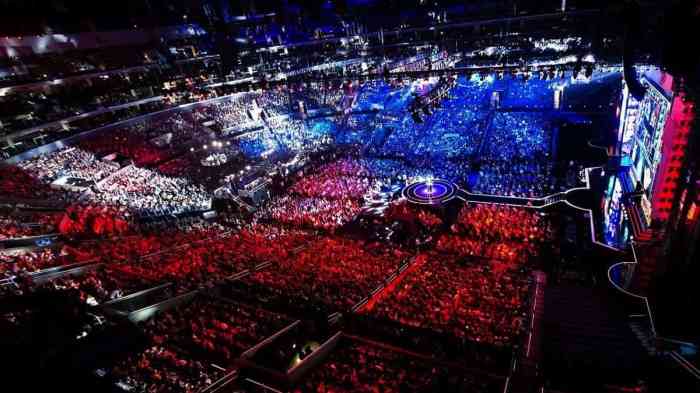
Amateur esports tournaments are like the charming little coffee shops of the gaming world—cozy, filled with aspiring talents, and a place where the magic of competition brews. Unlike their professional counterparts, which are often sponsored by huge corporations and feature players with more fans than some small countries, amateur tournaments provide a platform for everyday gamers to showcase their skills, enjoy some friendly rivalry, and perhaps dream of one day making it big.
The distinction between amateur and professional tournaments typically revolves around the level of competition, prize pools, and organizational structure. Amateur tournaments are often open to all, featuring a more relaxed atmosphere where players can hone their skills without the pressure of a multi-million dollar prize on the line. They’re also typically characterized by lower entry fees and smaller prizes, which allows more players to participate without breaking the bank.
Common Games in Amateur Esports Tournaments
A diverse range of games is featured in amateur esports tournaments, serving as the playground for budding e-athletes. The following are some of the most popular titles that often attract this enthusiastic crowd:
- League of Legends: A game that has turned countless players into keyboard warriors, where strategy meets intense competition.
- Valorant: The tactical shooter that demands precision and teamwork, perfect for those who dream of becoming the next gaming sniper.
- Counter-Strike: Global Offensive: The classic that still reigns supreme in many amateur circuits, where clutch moments can turn the tide of battle.
- Fortnite: Known for its vibrant graphics and building mechanics, it attracts younger players eager to show off their creative strategies.
- Rocket League: The game that combines soccer with rocket-powered cars, proving that sometimes, playing with wheels is more fun than just your feet.
The rise of amateur esports has been meteoric, with grassroots tournaments popping up like mushrooms after a rainstorm. This growth has a significant impact on player development, as it allows gamers to gain experience, learn from others, and build their skills in a more forgiving environment. The importance of these tournaments cannot be overstated; they serve as a training ground for future professionals and create a community where players can support each other’s growth.
“Amateur esports tournaments are the breeding grounds for the next generation of esports superstars.”
As participation in these tournaments rises, so too does the sense of camaraderie among players. They bond over shared experiences, triumphs, and yes, even those cringe-worthy defeats that are now just funny stories to recount at the next local LAN party. Amateur tournaments are not just competitions; they are vibrant celebrations of passion, skill, and the pursuit of the next great gaming legend.
Organizing Amateur Esports Tournaments

Picture this: a digital arena filled with eager gamers ready to compete in the ultimate showdown. Organizing an amateur esports tournament isn’t just about slapping together a few matches; it’s an art form! Let’s dive into the steps needed to bring your tournament dreams to life, sprinkle some humor along the way, and get those pixels flying.
Step-by-Step Guide for Setting Up an Amateur Esports Tournament
Setting up an esports tournament is like assembling IKEA furniture: it can be tricky, might involve some crying, but ultimately, it’s totally worth it! Here’s a straightforward guide to help you navigate through the chaos and get that tournament off the ground:
- Define Your Goals: Decide on the type of games, the number of participants, and the skill level. Are we talking a casual game night or an epic clash of titans?
- Choose a Platform: Pick a platform that suits your tournament needs. Options like Battlefy, Challonge, or TOORNAMENT can help you manage brackets and schedules efficiently.
- Select the Games: Choose popular titles that resonate with your target audience. Remember, Fortnite is always in vogue, but don’t forget about classics like Super Smash Bros.!
- Schedule the Event: Set a date and time that accommodates your participants. Avoid scheduling on tournament weekends; you don’t want to end up with two people and a cat showing up!
- Establish Rules: Draft clear and concise rules. No one likes a surprise DQ because someone “accidentally” used a glitch.
- Gather Your Squad: Recruit volunteers or moderators to help keep things running smoothly. They’re your tournament MVPs!
- Promote Your Event: Use social media, gaming forums, and community channels to spread the word. The more, the merrier! Just remember to avoid spamming. Nobody likes that guy.
- Host and Stream: Set up a reliable streaming service if you’re going live. Platforms like Twitch or YouTube Gaming can turn your event into a spectacle worth watching.
- Feedback and Follow-Up: After the tournament, collect feedback to improve future events. Use surveys or a simple chat; just make it quick—nobody has time for a novel!
Necessary Tools and Platforms for Hosting Online Tournaments
Having the right tools is crucial for a smooth tournament experience. The following platforms can be your trusty sidekicks, turning potential chaos into organized mayhem:
- Tournament Management Software: Platforms like Battlefy and Toornament streamline registrations, bracketing, and match reporting.
- Communication Tools: Discord or Slack can help players communicate effectively. Plus, it’s perfect for those memes!
- Streaming Services: Use Twitch, YouTube, or Facebook Gaming for broadcasting matches. Everyone loves watching epic plays unfold live.
- Game Servers: If you’re playing games that require dedicated servers, make sure to set them up and run tests in advance to avoid lag disasters.
Best Practices for Promoting Amateur Tournaments
Promotion can be the secret sauce that turns a small gathering into a massive event. Here are some best practices to get the word out and attract participants:
- Social Media Blitz: Post regularly on platforms like Twitter, Instagram, and Facebook. Create hype with trailers or teasers featuring gameplay clips.
- Engage with Local Communities: Partner with local gaming shops or clubs. They can help spread the word and might even offer space to host.
- Offer Incentives: Prizes, even if they’re just bragging rights or meme trophies, can entice players to join. Everyone loves a shiny medal!
- Leverage Influencers: If you know any popular streamers or local influencers, a shoutout from them can bring in crowds like moths to a flame!
- Regular Updates: Keep potential participants in the loop about any changes, special guests, or game announcements. FOMO is real!
“A well-promoted tournament can transform a few players into a roaring crowd—just like a magician pulling a rabbit out of a hat!”
Community and Networking in Amateur Esports
In the ever-expanding universe of esports, the role of community and networking is akin to the engine that keeps the spaceship flying smoothly. It’s not just about the victories on the battlefield, but also about the connections forged off it. In amateur esports, building a strong community can turn a group of players into a family, where support and collaboration thrive like mushrooms after a rainstorm.Creating a vibrant community among amateur esports players involves fostering an environment where camaraderie shines brighter than a champion’s trophy.
Players often band together, sharing tips, strategies, and the occasional meme featuring that one time someone got eliminated by a squirrel in their favorite game. Social media platforms and online forums play a pivotal role in this connection process, enabling players to share their triumphs and tragedies, interact with like-minded individuals, and even challenge one another to friendly duels—virtual or otherwise.
Social Media and Online Forums in Amateur Esports
The emergence of social media and online forums has revolutionized communication in amateur esports. These platforms serve as the perfect breeding grounds for connections, discussions, and the occasional “Did you see that epic play?” moment. The importance of these platforms can be summarized as follows:
- Instant Connectivity: Players can connect with others across the globe as easily as they can connect to Wi-Fi. This opens doors to new friendships and collaborations.
- Sharing Knowledge: Forums dedicated to specific games allow players to exchange strategies, creating a treasure trove of tips and tricks that can be more useful than a cheat code—without the guilt, of course.
- Event Promotion: Social media allows for the rapid spread of information regarding upcoming tournaments, gatherings, or even casual gaming sessions, making sure no one misses out on the action.
- Community Building: Players can create or join clans and teams, adding layers of teamwork and friendship to their gaming experience, ensuring no one has to face a boss battle alone.
Successful amateur esports communities have thrived by harnessing these platforms. Take for instance the “Fighting Game Community (FGC),” a collective of players dedicated to fighting games. This community has not only organized countless tournaments but has also fostered a sense of belonging that transcends game titles. Players share their stories of growth, triumph, and even the occasional embarrassing defeat, turning personal experiences into collective motivation.
“Alone we can do so little; together we can do so much.”
A wise gamer probably sipping energy drinks.
Another example is “The League of Legends Amateur Scene,” which has grown its base through platforms like Reddit and Discord. This community not only shares gameplay tips but has also created grassroots tournaments that launch new talent into the spotlight, proving that sometimes all it takes is a good connection (and a bit of luck) to make it big in esports.
Closing Summary
In conclusion, the world of esports amateur tournaments is an exciting landscape where anyone with a controller and a dream can find their moment in the spotlight. Whether you’re organizing your first tournament or just trying to find your place in the community, remember: it’s all about having fun, meeting new friends, and maybe, just maybe, becoming the next esports legend.
So gather your teammates, pick up those controllers, and let the games begin!
FAQ Guide
What are esports amateur tournaments?
Esports amateur tournaments are competitions where non-professional players compete in various video games, often to improve their skills and have fun.
How do I join an amateur esports tournament?
You typically need to register on the tournament platform, create or join a team, and follow the specific rules Artikeld by the organizers.
What games are commonly played in amateur tournaments?
Popular titles include League of Legends, Fortnite, Overwatch, and Rocket League, among others, but the selection can vary widely!
Are there any fees to enter amateur tournaments?
Many amateur tournaments are free to enter, but some may have small registration fees to cover costs.
Can I organize my own amateur tournament?
Absolutely! With the right tools and planning, anyone can organize an amateur tournament and bring gamers together!